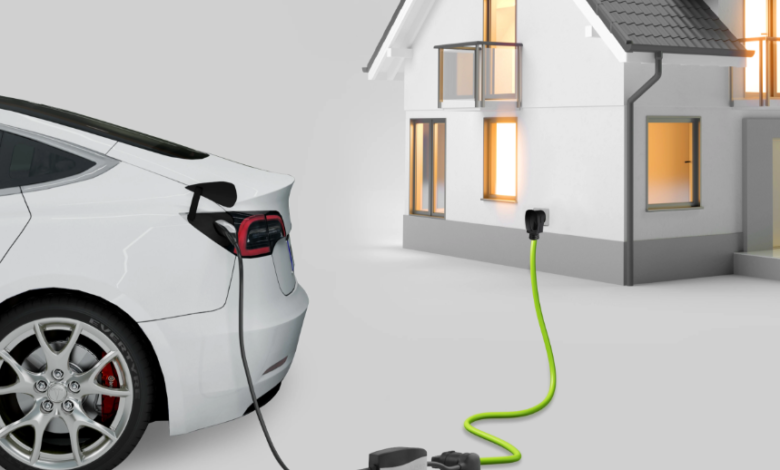
The electric vehicle (EV) market is experiencing unprecedented growth, driven by the global push towards sustainable transportation. One of the most significant advancements fueling this transformation is fast charging EV technology. As more consumers switch from conventional internal combustion engines to electric alternatives, the demand for quick and efficient charging solutions has skyrocketed.
What is Fast Charging EV?
A fast charging EV refers to an electric vehicle equipped to receive high-speed electricity from a compatible fast charger, significantly reducing the time it takes to recharge the battery. Traditional EV chargers, often called Level 1 or Level 2 chargers, can take several hours to fully charge a vehicle. In contrast, fast chargers can replenish 80% of the battery in as little as 20–40 minutes, making EVs more convenient for daily commutes, long trips, and commercial usage.
How Fast Charging Works
Fast charging operates at a higher voltage and current than standard charging systems. While regular chargers usually provide power in the range of 3.7 kW to 22 kW, fast chargers can deliver 50 kW to over 350 kW. This high power output allows the battery to absorb energy much more quickly.
Fast charging typically uses DC (direct current) power, bypassing the onboard AC-to-DC converter in the vehicle, which is a bottleneck in slower charging methods. This direct transfer enables rapid energy replenishment and reduces waiting times for EV owners.
See also: Life Hacks WhatUTalkingBoutFamily: Tips and Tricks
Benefits of Fast Charging EVs
- Time Efficiency: Fast charging drastically reduces downtime, making EVs more practical for long-distance travel.
- Convenience: Drivers can quickly recharge during short breaks, eliminating the need for overnight charging.
- Promotes EV Adoption: Reduced charging times alleviate range anxiety, a major barrier for potential EV buyers.
- Supports Fleet Operations: Fast charging is particularly beneficial for commercial EV fleets, including buses, delivery trucks, and taxis, ensuring minimal downtime and continuous operation.
Challenges of Fast Charging
Despite its advantages, fast charging EV technology comes with certain challenges:
- Battery Degradation: Frequent fast charging may slightly reduce battery lifespan over time due to higher heat generation.
- Infrastructure Requirements: Fast chargers require significant electrical capacity, making installation more expensive.
- Grid Load: Large-scale adoption of fast charging can increase demand on local electricity grids, requiring careful planning and energy management.
Future of Fast Charging EV
The future of fast charging EVs is promising. Battery technologies are evolving to handle higher charging speeds without degradation, and ultra-fast chargers capable of delivering 350 kW or more are becoming increasingly available. Furthermore, renewable energy integration, smart grid technology, and wireless fast charging are expected to make the EV ecosystem more efficient and user-friendly.
FAQs About Fast Charging EV
1. How long does it take to fast charge an EV?
A fast charging EV can typically reach 80% battery capacity in 20–40 minutes, depending on the battery size and charger capacity.
2. Is fast charging bad for the battery?
Occasional fast charging is generally safe, but frequent use can accelerate battery wear due to higher heat and stress on battery cells.
3. Can all EVs use fast chargers?
No. Only EVs with DC fast charging compatibility can utilize fast chargers. It is important to check your vehicle specifications before using a high-speed charger.
4. How much does it cost to fast charge an EV?
The cost varies depending on electricity rates, charger type, and location. Fast charging may be slightly more expensive than regular charging due to higher energy demands.
5. Are fast chargers available everywhere?
While coverage is expanding rapidly, fast chargers are more common in urban areas and along major highways. Efforts are ongoing to create a nationwide fast-charging network.
Conclusion
The rise of fast charging EV technology is a game-changer for the electric vehicle industry. By drastically reducing charging times, improving convenience, and promoting wider EV adoption, fast charging solutions are bridging the gap between traditional fuel vehicles and electric alternatives. While challenges like battery degradation and infrastructure costs exist, ongoing innovation in battery and charging technology is paving the way for a more sustainable and efficient future. As fast charging networks expand and evolve, EV owners can look forward to quicker, more reliable, and more accessible charging experiences, making the shift to electric transportation smoother than ever before.